
How to Prepare a SAMA Periodic Self-Assessment Without Rebuilding Evidence Every Cycle
If you're preparing for a SAMA Periodic Self-Assessment, you already know the drill: scrambling to locate policies, chasing down evidence, and rebuilding documentation you're certain existed somewhere last cycle. It doesn't have to work that way. There's a smarter approach that keeps your evidence ready, your owners accountable, and your cycles manageable, and it starts with decisions you make well before the assessment begins.
Stop Rebuilding Evidence From Scratch Every SAMA Cycle
SAMA CSF compliance software centralizes control mappings, evidence collection, ownership, and remediation tracking so compliance teams can manage their SAMA Cyber Security Framework obligations in one structured system. Using SAMA CSF compliance software helps teams maintain a current evidence trail between assessment cycles instead of manually rebuilding documentation when the next review begins.
Every SAMA periodic self-assessment cycle, many teams repeat the same inefficient practice: rebuilding evidence from the ground up. This isn't necessary and often leads to avoidable effort and inconsistency.
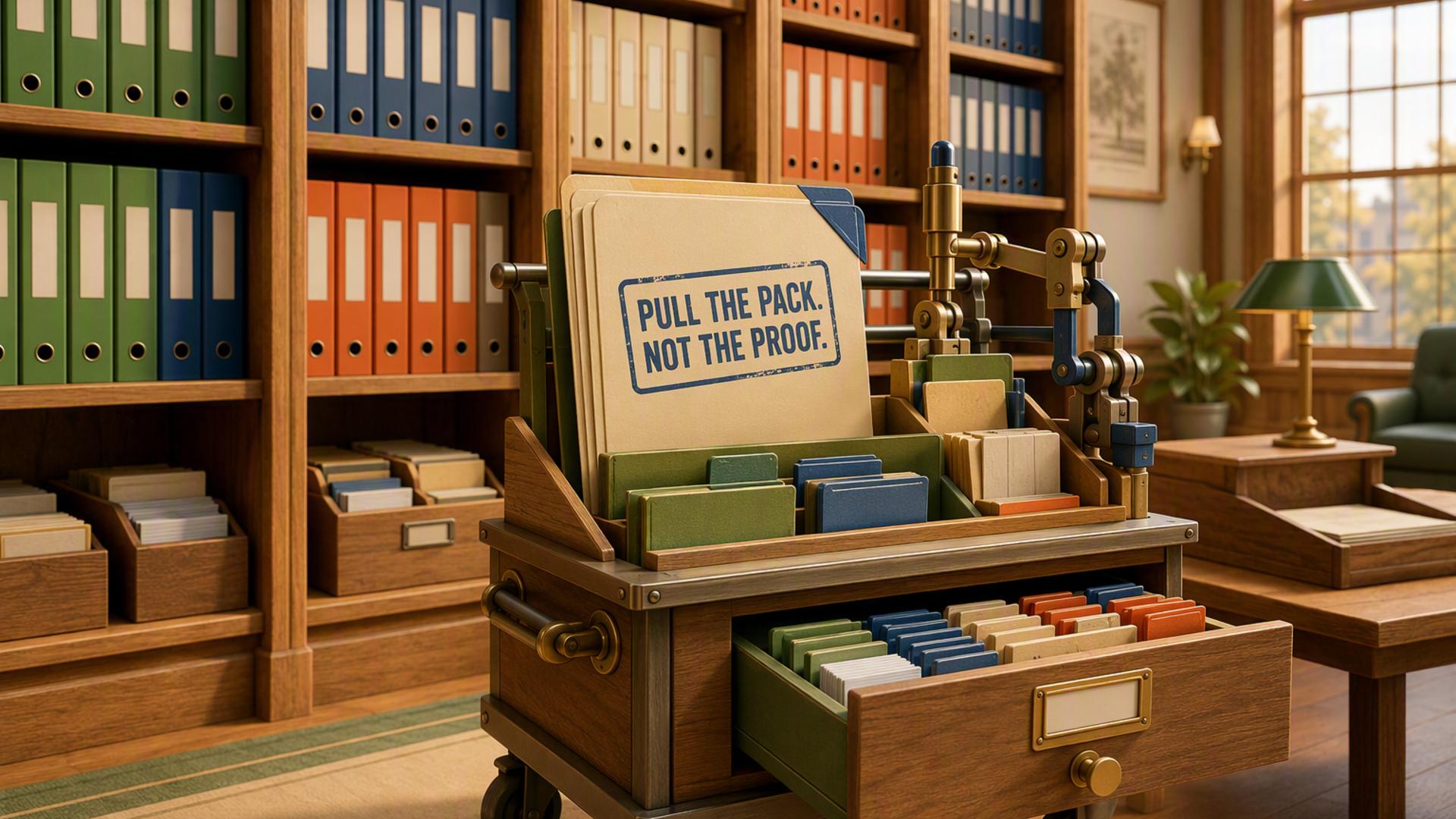
A more effective approach is to establish a reusable evidence library organized at the control level. For each control, store relevant artifacts such as policy versions, configuration screenshots, SOC 2 or similar assurance reports, ticket or case references, and access review exports.
Once captured, these artifacts can be reused across assessment cycles as long as they remain current and valid.
To manage this systematically, use an evidence-to-control mapping matrix that links each Control ID to:
- Evidence types required
- Evidence owner or responsible party
- Evidence location
- Retention/expiry date
During subsequent cycles, focus on identifying and documenting changes rather than recreating the full evidence set.
Update only those items affected by policy revisions, system changes, incidents, or control design updates.
This reduces redundant work, improves traceability, and supports more consistent, defensible self-assessments over time.
Map SAMA Requirements to Owners Before Evidence Collection Starts
Before evidence collection begins, map each SAMA Periodic Self-Assessment requirement to a single accountable owner. Develop a requirement-to-owner matrix that lists every section and question, along with one designated process or control owner. For each requirement, clearly define the evidence objective, such as demonstrating policy existence, control design, operating effectiveness, monitoring cadence, or exception handling, so owners understand the exact type and level of documentation needed.
Conduct a risk and control mapping workshop to identify where controls support multiple requirements and where coverage gaps may exist. Establish a RACI for each requirement and evidence type, including target submission dates and review responsibilities. Document expected data sources, systems of record, and evidence update frequencies to enable consistent, repeatable evidence collection in subsequent assessment cycles, reducing the need to rebuild the process each time.
Build a Reusable Evidence Library Around SAMA Controls
Once each requirement has an assigned owner, the next step is to build a centralized evidence repository that supports efficient and repeatable SAMA assessment cycles. Organize all documentation by SAMA control ID, and ensure each file’s metadata includes at least the system name, control owner, period of coverage, and evidence creation date.
Standardize evidence packages for each control type so that, in most cases, updates require only refreshing time-sensitive artifacts (such as screenshots or exports) rather than recreating the entire package. Define evidence collection frequencies, quarterly, monthly, or weekly, based on the nature and criticality of each control.
For each artifact, record its source system and the method of retrieval (for example, specific reports, queries, or console paths). Maintain a control-to-evidence matrix that maps each requirement to its supporting documentation, identifying one primary evidence item and one backup item per control. This structure improves traceability, reduces duplication of effort, and facilitates consistent responses across assessment cycles.
Automate Evidence Capture So It Happens Between Assessments
Automating evidence capture helps keep the evidence library accurate and up to date between assessments. Configure scheduled exports from IAM, HRIS, ticketing, GRC, and monitoring tools so that screenshots, access changes, control outputs, and exception tickets are logged with timestamps and owner attribution.
Integrate evidence capture into operational workflows so that events such as access grants, policy updates, and completed vulnerability scans automatically store the associated reports and link them to the relevant checklist items.
Implement consistency checks between attestation responses and available evidence to identify gaps in coverage in advance of the assessment period.
Run SAMA Gap Reviews Early to Eliminate Last-Minute Remediation
Initiating SAMA gap reviews at least one cycle before each Periodic Self-Assessment provides sufficient time to design, implement, test, and document remediation activities before the reporting period begins.
Begin the review in the first four to six weeks of the cycle and aim to finalize evidence two to four weeks before sign-off.
Use a structured gap triage checklist that links each control to its specific SAMA requirement, current supporting artifact, previous assessment outcome, and control owner.
Assess and prioritize identified gaps based on their risk and impact on SAMA compliance.
Limit evidence updates to controls with identified issues, validate remediation through focused walkthroughs, and conduct a mid-cycle review to confirm closure status before completing the final self-assessment.
Carry Forward Prior SAMA Cycle Results to Reduce Repeat Work
Establishing a carry-forward evidence register at the end of each SAMA Periodic Self-Assessment cycle helps reduce redundant testing in later cycles. The register should record each control’s test result, supporting evidence, test date, control owner, and the next scheduled retest date, so that future cycles can reuse evidence that remains valid.
Apply clear validity criteria to determine when evidence can be carried forward. Typical triggers for retesting include changes to the control design or operation, material changes in the underlying risk environment, or evidence that has exceeded its defined validity period.
When only a subset of controls has changed, use differential testing to focus on those controls while reusing prior evidence for unchanged controls.
Maintain status indicators for each control in the register, such as “Carried Forward – Still Valid” or “Retest Required,” and reference the prior cycle’s record IDs. This structure improves traceability, supports auditability, and reduces unnecessary repeat work while maintaining assurance quality.
Conclusion
You don't have to rebuild your SAMA self-assessment from the ground up every cycle. By establishing a reusable evidence library, mapping requirements to owners early, automating evidence capture, and carrying forward prior results, you'll cut preparation time significantly. Focus your energy on what's actually changed, run gap reviews before deadlines hit, and let your systems do the heavy lifting between assessments. Work smarter, not harder, every cycle.